
POTS (Postural Orthostatic Tachycardia Syndrome): Causes, Functional Treatment & Expert Care in New York
A Functional Medicine Approach at NY360 Wellness Medicine
Postural Orthostatic Tachycardia Syndrome (POTS) is a complex autonomic nervous system disorder that is often misunderstood, underdiagnosed, and frequently dismissed as “normal labs.” At NY360 Wellness Medicine, we approach POTS through a root-cause, precision medicine lens—not just symptom suppression.
If you’ve been told “everything looks normal” but still experience fatigue, dizziness, palpitations, or brain fog—this is where we begin.
What is POTS?
POTS is a form of dysautonomia, characterized by an abnormal increase in heart rate (≥30 bpm in adults) upon standing, without a significant drop in blood pressure.
Common Symptoms:
- Lightheadedness or dizziness upon standing
- Rapid heart rate (tachycardia)
- Chronic fatigue
- Brain fog / cognitive dysfunction
- Exercise intolerance
- Palpitations
- GI symptoms (bloating, nausea)
- Temperature dysregulation
According to the Dysautonomia Project, POTS affects millions of individuals worldwide, predominantly women aged 15–50.
What Causes POTS? (Root-Cause Breakdown)
POTS is not a single disease, but a syndrome with multiple overlapping mechanisms.
1. Autonomic Nervous System Dysfunction
- Impaired regulation of heart rate and vascular tone
- Reduced ability to maintain blood flow to the brain upon standing
- Often linked to vagal dysfunction
2. Hypovolemia (Low Blood Volume)
- Reduced circulating plasma volume
- Leads to compensatory tachycardia
- Seen in up to 70% of POTS patients (NCBI data)
3. Hyperadrenergic State
- Elevated norepinephrine levels
- Symptoms include anxiety, tremors, and hypertension
- Represents a subset of POTS patients
4. Autoimmune & Inflammatory Triggers
- Increasing evidence of autoantibodies affecting autonomic receptors
- Often follows viral infections
- Strong association with post-viral syndromes (including long COVID)
5. Small Fiber Neuropathy
- Damage to small nerve fibers regulating blood vessel constriction
- Leads to blood pooling in lower extremities
6. Mast Cell Activation (MCAS Overlap)
- Histamine release causing:
- Flushing
- Tachycardia
- GI symptoms
7. Deconditioning & Mitochondrial Dysfunction
- Reduced oxygen utilization
- Impaired ATP production (functional medicine focus)
8. Hormonal Imbalance
- Estrogen and progesterone fluctuations
- Common in perimenopausal women
Functional Medicine Perspective: Why Traditional Care Falls Short
Traditional medicine often focuses on:
- Beta blockers
- Salt tablets
- Compression stockings
While helpful, these approaches do not address WHY the system is dysregulated.
At NY360 Wellness, we focus on: ✔ Identifying triggers ✔ Restoring autonomic balance ✔ Optimizing cellular energy ✔ Reducing inflammation
Functional Treatment Approach to POTS at NY360 Wellness
1. Advanced Diagnostic Testing
We go beyond standard labs:
- Autonomic function testing
- Inflammatory markers
- Mast cell panels
- Mitochondrial function testing
- Hormone optimization panels
- Micronutrient analysis
2. Volume & Circulation Optimization
- Electrolyte therapy (customized, not generic)
- IV hydration therapy
- Compression therapy (Flowpresso lymphatic system support)
3. Mitochondrial & Cellular Support
- Medical-grade Red Light Therapy (650nm / 850nm)
- Targeted nutrient therapy:
- CoQ10
- Magnesium
- B vitamins
- IV infusions for cellular energy
4. Nervous System Reset
- Neural therapy (reset autonomic pathways)
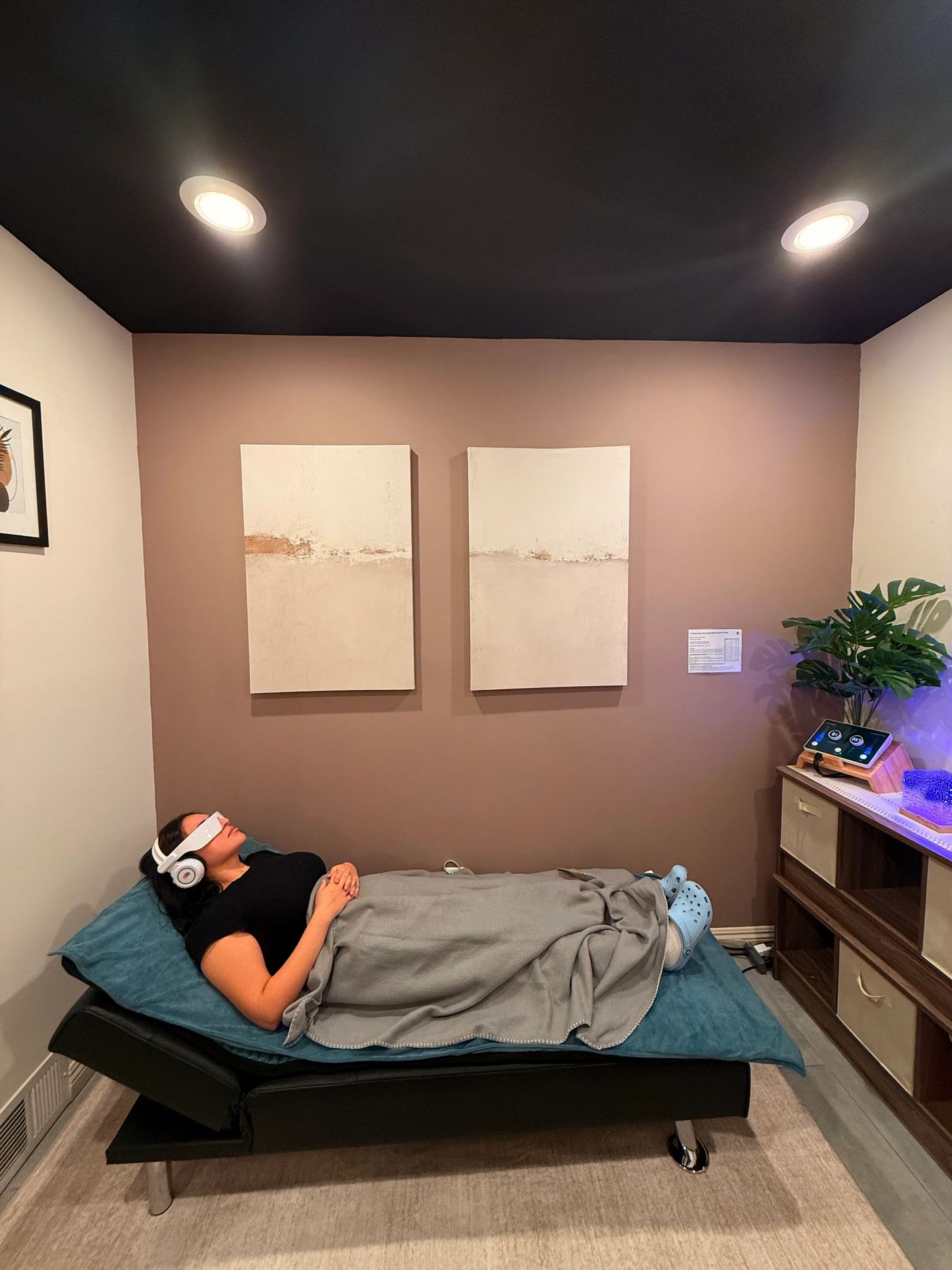
- BrainTap neuro-reset
5. Inflammation & Immune Modulation
- Identify triggers:
- Mold (mycotoxins)
- Heavy metals
- Chronic infections
- Anti-inflammatory protocols
- Gut restoration
6. Hormone Optimization
- Bioidentical hormone therapy (when indicated)
- Cortisol rhythm balancing
7. Movement & Rehabilitation
- Gradual reconditioning programs
- Recumbent exercise strategies
- Circulatory training
Why NY360 Wellness is Different
At NY360 Wellness Medicine:
- We treat root causes—not just symptoms
- We use precision medicine + functional diagnostics
- We integrate longevity and recovery therapies
- We personalize every protocol
👉 You’re not crazy. Your labs just weren’t complete.
Frequently Asked Questions (FAQs)
Is POTS a lifelong condition?
Not always. Many patients improve significantly with targeted treatment and root-cause resolution, especially when underlying triggers are addressed.
Can POTS be caused by COVID or viral infections?
Yes. Post-viral autonomic dysfunction is one of the most common triggers, particularly after COVID-19.
Why do most doctors miss POTS?
Because:
- Symptoms are nonspecific
- Standard labs are often normal
- It requires autonomic-focused evaluation, not routine testing
What is the fastest way to feel better with POTS?
Short-term:
- Hydration + electrolytes
- Compression
- Rest
Long-term:
- Address inflammation
- Restore autonomic balance
- Optimize cellular function
Can hormones affect POTS?
Absolutely. Hormonal fluctuations (especially estrogen) can significantly impact symptoms.
Is exercise helpful or harmful?
It depends. ✔ Structured, gradual programs help ❌ Overexertion worsens symptoms
Do IV therapies help POTS?
Yes—especially for:
- Hydration
- Mitochondrial support
- Symptom stabilization
When to Seek Care
If you experience:
- Persistent dizziness
- Rapid heart rate with standing
- Chronic fatigue with “normal labs”
…it’s time for a deeper evaluation.
Start Your Recovery Journey
At NY360 Wellness Medicine, we specialize in complex, unexplained conditions like POTS using a functional + longevity medicine approach.
📍 New York | Precision Medicine | Root-Cause Care �� Designed just for you by Dr. Adeeti Gupta
References
- Raj SR et al. Postural Orthostatic Tachycardia Syndrome (POTS) — National Center for Biotechnology Information
- Dysautonomia Project. Understanding POTS — Dysautonomia Project
- Recent clinical review (ScienceDirect, 2025): Highlights autoimmune, inflammatory, and post-viral mechanisms, along with heterogeneity of POTS phenotypes